Most homeowners think paint is just about color. Pick a shade, apply a few coats, and the job is done.
However, paint choices and how coatings are applied affect indoor air quality, durability, and even how often a home needs repainting. That is where sustainable painting practices come into play. They focus on smarter materials, cleaner application methods, and longer lasting finishes that reduce waste over time.
The goal is simple. A paint project that protects the surface, lasts longer, and creates fewer environmental issues along the way.
Key Takeaways:
What Sustainable Painting Practices Actually Mean
The phrase sustainable painting practices gets used a lot, but many homeowners are not fully clear on what it includes.
At its core, sustainability in painting focuses on three areas. Materials, preparation, and long-term performance.
Materials refer to the types of paint and primer being used. Some coatings contain higher levels of volatile organic compounds, also known as VOCs. These compounds release gases during drying, which can affect indoor air quality.
Preparation refers to how surfaces are cleaned, repaired, and primed before paint is applied. Poor preparation leads to early failure. When coatings fail early, repainting happens sooner, which creates more waste and cost.
Performance refers to durability. A coating system that lasts ten years instead of five reduces the amount of paint, labor, and materials used over the life of a home.
Why Paint Materials Matter More Than Most People Think
Paint technology has changed a lot over the last twenty years. Many older coatings relied heavily on oil-based formulas and higher solvent levels.
Today, many modern products use acrylic paint or latex paint formulas that release fewer VOCs while still delivering strong adhesion and durability.
Lower VOC coatings can improve indoor air conditions while still protecting surfaces like drywall, wood trim, and masonry.
Some of the most common eco-focused paint features include:
- Low VOC or zero VOC paint formulas
- Water-based acrylic coatings
- Environmentally friendly pigments and additives
- Mildew-resistant coatings for bathrooms and kitchens
These improvements make it possible for homeowners to get durable finishes without heavy solvent exposure. They also work well across common residential surfaces like siding, brick, concrete, and stucco.
Surface Preparation Plays A Huge Role In Sustainability
Paint durability starts long before the first coat touches the wall. The real work happens during preparation.
Sustainable painting practices rely heavily on strong prep work because proper preparation allows coatings to last longer.
Typical preparation steps include cleaning, sanding, patching, and priming.
For example, sanding removes failing coatings and rough areas so the new coat can bond properly. Dust removal and proper cleaning reduce adhesion problems that lead to peeling.
Many professional painters use the following preparation process:
- Surface cleaning to remove dirt, mildew, and dust
- Light sanding with sandpaper for smooth adhesion
- Minor repairs using filler and putty knives
- Caulking small gaps around windows and trim
- Applying primer before finish coats
Primer plays an important role because it seals surfaces like wood, drywall, and masonry. It also improves paint adhesion and color coverage.
A well primed surface reduces the number of coats needed later, which lowers overall paint use.
Longer Lasting Paint Means Less Waste Over Time
One of the biggest benefits of sustainable painting practices is durability.
If a coating system lasts longer, fewer repainting cycles happen over the life of the building. That reduces paint consumption and labor.
Durability depends on several factors working together.
- High quality primer
- Proper adhesion
- Correct sheen selection such as satin or gloss
- The right coating type for each surface
For example, exterior siding and brick often need coatings designed for moisture resistance and expansion. Interior trim or doors may use higher gloss finishes that resist wear and cleaning.
Exterior coatings also help prevent issues like mildew growth, rust on metal surfaces, and water damage around windows. These protective layers reduce maintenance and protect the structure underneath.
Smart Application Methods Reduce Waste
Paint waste often happens during application. Too much paint purchased, overspray during spraying, or improper storage can all lead to unnecessary waste.
Professional crews use several methods to improve efficiency.
- Accurate project estimates to limit leftover paint
- High-efficiency airless sprayers that reduce overspray
- Reusable drop cloths instead of disposable plastics
- Organized storage of coatings between coats
Water-based paints also simplify cleanup. Brushes and rollers can be washed using water instead of harsh solvents.
This reduces chemical waste and simplifies jobsite cleanup.
Paint Recycling And Responsible Disposal
Another part of sustainable painting practices involves handling leftover coatings correctly.
Unused paint should never be poured down drains or into soil. Many areas offer paint recycling programs that collect and process leftover coatings. Recycled paint may be filtered and reused for new coatings or used in industrial products.
Some contractors also donate unused paint to community programs, which keeps usable material from going to waste. Proper disposal also applies to sanding dust, old coatings, and debris removed during preparation.
Managing these materials responsibly helps protect nearby soil and water systems.
The Growing Demand For Sustainable Painting
Homeowners are paying closer attention to indoor air quality, product safety, and long-term maintenance costs. Because of this shift, sustainable painting practices are becoming more common across residential projects.
Builders and contractors now select coatings based on more than color. They consider durability, environmental impact, and overall lifecycle cost.
Paint manufacturers have also invested heavily in research to improve water-based coatings, adhesion technology, and mildew-resistant finishes. These advancements allow painters to deliver better protection while reducing environmental impact.
A Practical Look At How Sustainable Painting Is Done
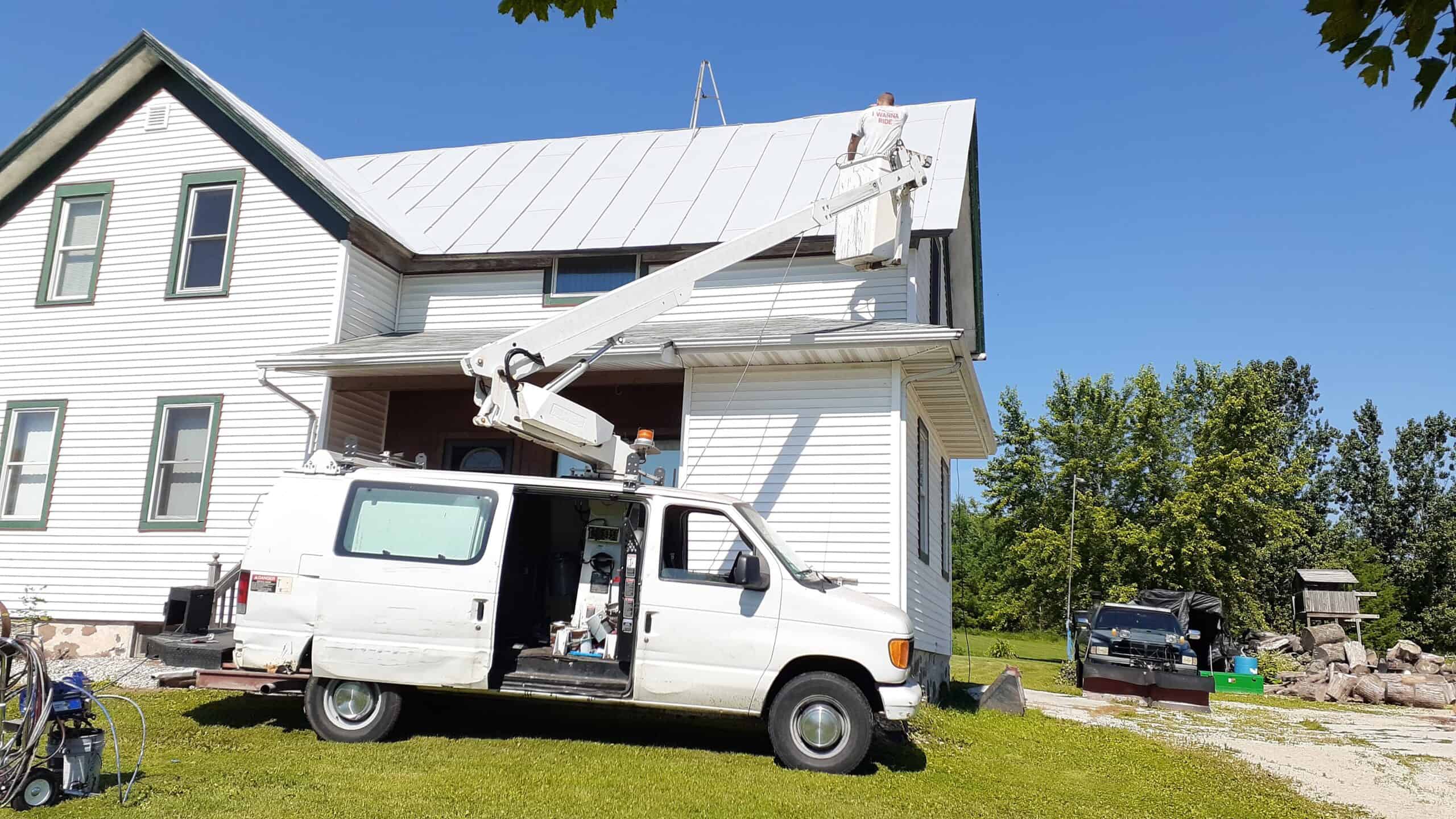
Sustainable painting practices are not about complicated technology. They focus on consistent, thoughtful work from preparation to final coat.
At S&S Painting & Restoration, we follow a process built around durability and responsible coating use. Many homeowners searching for experienced painters in Sheboygan, WI want finishes that last longer and require less maintenance.
Our process focuses on preparation, product selection, and efficient application.
Here is how we typically approach a project:
- Careful surface cleaning and dust removal
- Sanding and repairs to improve adhesion
- Primer application suited for wood, drywall, or masonry
- High-quality acrylic or latex coatings for durability
- Organized application methods that reduce waste
This approach supports the core ideas behind sustainable painting practices while also delivering strong long-term results for homeowners.
If you would like to learn more about how we approach painting projects in Sheboygan and the surrounding areas, call S&S Painting & Restoration at 920-332-5772 for a FREE estimate. Our team is happy to walk you through the process and answer any questions about your upcoming project.