If you are planning lead paint removal in Sheboygan, WI and your home was built before 1978, there is more to think about than picking a color. The lead-based paint in older Wisconsin homes is regulated under both state and federal law, and those rules apply to every contractor who sets foot on your property.
Getting this wrong is not just a health risk. It can expose your family to toxic dust and create legal consequences that nobody saw coming.
Key Takeaways:
Why Lead Paint Is Still a Real Problem in Wisconsin
Lead was banned from residential paint in 1978, but that does not mean it vanished. According to the EPA, about 87% of homes built before 1940 contain lead-based paint, roughly 69% of homes built between 1940 and 1960, and about 24% of homes built between 1960 and 1978.
Sheboygan, Kohler, and Cedarburg all have a lot of older housing stock, and many of those homes predate the 1978 ban by decades. If your home falls into that category, there is a real probability that lead paint is still present beneath current paint layers: on window trim, under siding, on porch columns, or inside on doors and baseboards.
The paint sitting there undisturbed is not the danger. The hazard comes when surfaces with lead paint are disturbed, because common activities can create hazardous lead dust. That dust is invisible, settles into carpet and floors, and can be inhaled or ingested, particularly by young children who crawl on floors and put things in their mouths.
Lead can damage the brain and other systems, leading to developmental delays, learning disabilities, reduced IQ and attention span, and a range of other effects. These are not theoretical outcomes. They are documented consequences that have shaped decades of regulation at both the state and federal level.
What Wisconsin Law Requires Before You Paint
Wisconsin does not just reference federal guidelines and call it a day. The Wisconsin Department of Health Services is authorized by the EPA to administer and enforce the law through its Lead Renovation, Repair and Painting Program. That means Wisconsin runs its own enforcement operation, not just a rubber stamp on federal rules.
The rule regulates renovation, repair, and paint work performed for pay on homes and child care centers built before 1978. Here is where homeowners are often surprised: the thresholds are lower than most people realize. Renovation activities include any work that disturbs 6 square feet of painted surface in a single room, 20 square feet of painted surface on the exterior, or any window replacement.
Once those thresholds are crossed, here is what Wisconsin’s Lead-Safe Renovation Rule requires of any contractor you hire:
A contractor must be trained and certified before they can perform, or even offer to perform, most paint-disturbing work on homes built before 1978. That is a firm legal requirement in Wisconsin, not a suggestion.
The Hidden Danger of Hiring the Wrong Contractor
This is where homeowners in Sheboygan, Kohler, and Cedarburg most often run into trouble without realizing it. They hire a painter based on price or availability, the painter shows up and starts sanding trim or scraping peeling exterior paint, and everyone assumes it is routine.
But if that contractor is not certified under Wisconsin’s Lead-Safe Renovation Rule, the work can generate lead dust with no containment, no proper cleanup, and no documentation. The dust settles into your yard, your entryway, your flooring. If you have children under six, or someone in the home is pregnant, that is a serious exposure risk.
Firms cannot advertise or perform renovation activities covered by the RRP Rule in pre-1978 homes without training, certification, and compliance with lead-safe work practice standards. EPA enforcement actions against violators are real, and since the Renovation, Repair, and Painting Rule took effect in 2010, federal and state agencies have issued substantial fines to contractors who worked on pre-1978 housing without proper certification.
The financial penalty is one thing. The bigger problem is the lead dust that was already released into the home before anyone realized the contractor was not qualified to be there.
How to Know If Your Home Is at Risk
If your home in Sheboygan, Kohler, Elkhart Lake, or Cedarburg was built before 1978, the practical starting point is to assume lead paint is present somewhere until testing proves otherwise. The only way to officially rule it out is through a certified lead inspector or risk assessor who evaluates the specific surfaces your project will affect.
Home test kits are available at hardware stores and can give a rough initial reading, but they do not replace professional testing for any project of real scope. Paint testing is not required by the RRP Rule, but unless you have documentation that the paint is not lead-based, the rule’s requirements apply.
A few visual signs that lead paint may be present or deteriorating include:
None of these visuals confirm lead on their own; only testing provides certainty. But they are worth noting before you schedule any painting work, because they affect the type of contractor you need on the job.
What Lead-Safe Practices Actually Look Like on the Job
A certified contractor handling lead paint does not just paint over the problem and move on. The EPA’s Lead Renovation, Repair and Painting Rule requires specific work practices when lead paint is disturbed, and those practices minimize the creation of dust and debris, prevent it from leaving the work area, and require cleaning of the area to protect occupant safety.
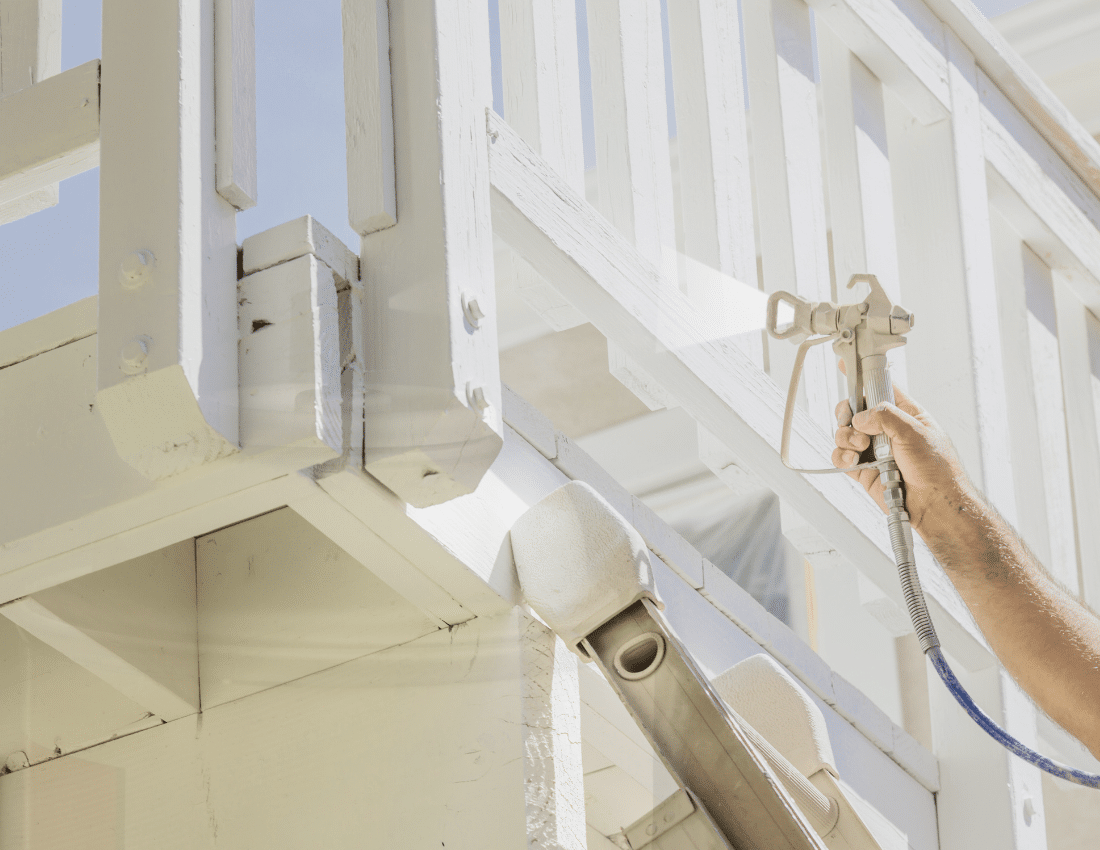
In practice, this means isolating the work area with plastic sheeting before anything starts, using tools and methods designed to minimize dust, and running a cleaning verification when the work is complete. It also means keeping records for three years that document who did the work, what methods were used, and what the cleanup results showed.
This is a meaningful difference from a standard paint job. It takes more time, requires proper equipment, and creates a paper trail that protects you as the homeowner. If you want a clearer picture of what a professional project involves from first contact to final walkthrough, this post on what to expect from a painting contractor walks through the full process.
Why Certification Matters More Than Price When Dealing With Lead
Not every painter in East Central Wisconsin holds the certification required to work legally on lead paint. This is especially worth confirming for projects involving exterior scraping, window work, or any surface prep that goes beyond a simple topcoat over intact paint, since those are exactly the activities most likely to disturb lead at levels that trigger the rule.
S&S Painting and Restoration LLC carries lead-based paint certification, meaning Bob Sr. and Bob Jr. Scherer are trained and qualified to work safely and legally on pre-1978 homes across Sheboygan, Kohler, Cedarburg, and the surrounding area. As members of the Painting Contractors Association, they stay current with industry standards and compliance requirements, and their Sherwin-Williams factory training adds another layer of product knowledge that matters when selecting the right coatings for older surfaces.
That background translates directly to how they approach older homes. They know where lead paint is most likely to be present, how to handle those surfaces correctly, and how to protect the people living inside throughout the project. If you are weighing the cost side of a project on an older home, this post on what affects exterior painting cost breaks down the real factors in plain terms.
Don’t Assume Painting Over It Solves the Problem
One of the most common mistakes homeowners make with lead paint is assuming a fresh coat takes care of everything. Painting over intact, stable lead paint is sometimes a reasonable short-term approach, but it only works when the existing paint is in sound condition and the work does not disturb the surface significantly.
If you are doing any surface prep that involves scraping, sanding, or pressure washing old painted areas, you are likely crossing into territory where Wisconsin’s Lead-Safe Renovation Rule applies. That means you need a certified contractor, not just someone with the right brush.
DIY approaches to exterior painting create exactly this kind of unintended risk, since most homeowners do not realize they have crossed a regulatory threshold until the work is already done. Our post on why DIY exterior paint jobs fail covers the most common errors, and lead paint compliance is one most people never see coming.
Ready to Talk Through Your Project?
If you own a pre-1978 home in Sheboygan, Kohler, Cedarburg, Elkhart Lake, or North East Milwaukee and are planning interior or exterior painting work, the right first step is talking to a contractor who knows how to handle lead paint safely and by the book. S&S Painting & Restoration LLC works with homeowners across East Central Wisconsin who want the job done correctly, without shortcuts and without guesswork.
We are happy to walk through what your project involves, if lead-safe practices apply, and what the full process looks like before we touch a single surface. Schedule your free consultation today. When you are ready, contact S&S Painting & Restoration at 920-332-5772.